
QUALITY / MATERIALS & MANUFACTURING
RAS Equipment Manufacturing & Material Quality Standards
Quality Is About Going the Distance
Two machines may look almost identical from the outside, but the materials, structures and manufacturing methods behind them can be very different.
You cannot judge equipment quality from finished product photos alone. What materials are used for the tank walls? How is the drum filter frame constructed? What pipes are used throughout the system? What checks are carried out before delivery? These are the details worth looking into.
At YUTANK, we refuse to sacrifice material quality to lower our prices. Yet this practice is widespread among Chinese suppliers. They use cheaper recycled plastic sheets and low-cost steel. They copy the appearance of other brands while overlooking the engineering behind them. They win the sale today, but their equipment breaks down two years later.
We refuse to compete this way.
We build our products for your tenth year, not just your first day. At YUTANK, you can expect long-term support. We want to be part of your business success, not a supplier that stops answering your emails after two or three years.
Our equipment has powered hundreds of projects across more than 30 countries. From the sun-exposed Gobi Desert of Xinjiang to the salty sea air of the Australian coast, our machines keep running.
01 | Look Beyond Thickness. Materials and Structure Matter Too.
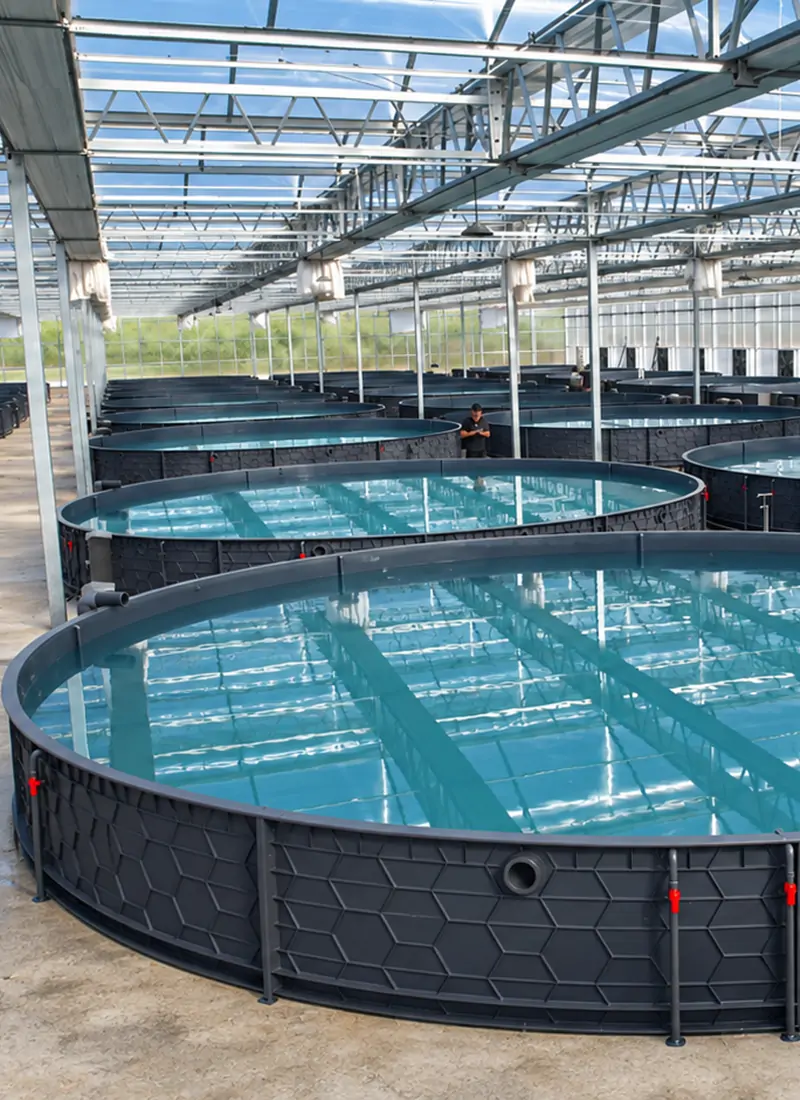
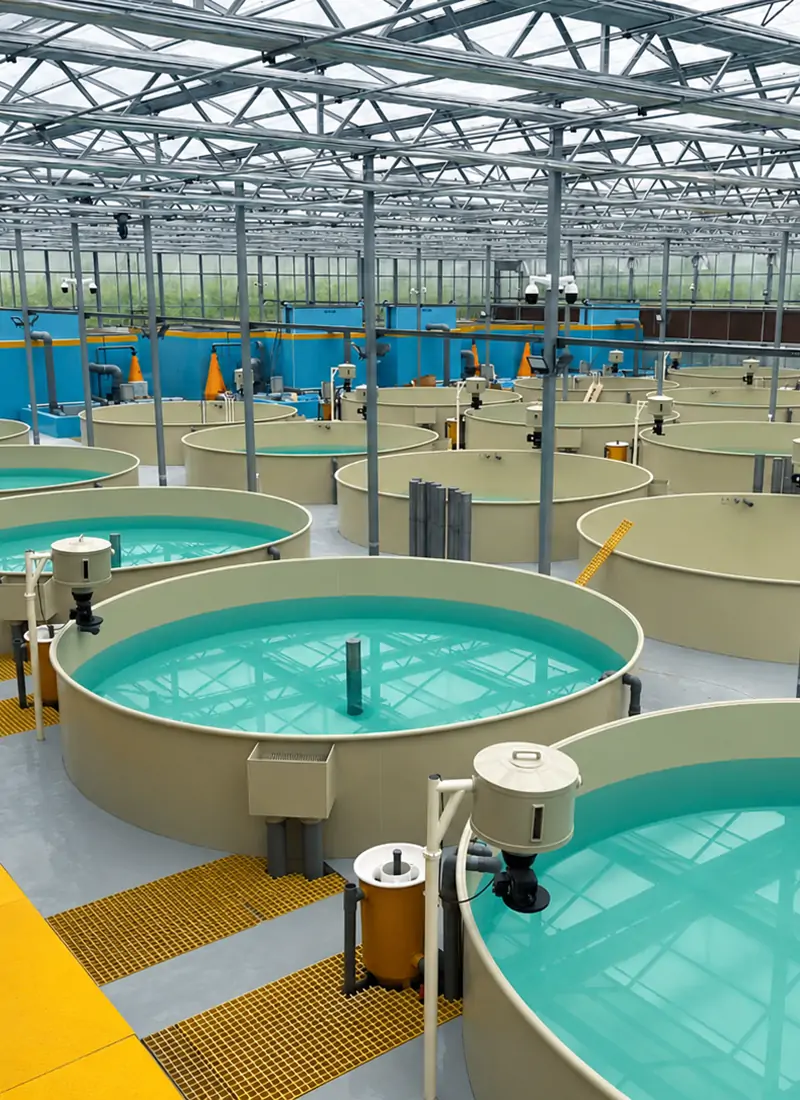
We offer two different types of PP aquaculture tanks: welded PP tanks and honeycomb-reinforced modular PP tanks.
Welded PP tanks are made by processing and welding PP sheets. Both the quality of the sheets and the welding process matter.
Honeycomb-reinforced PP tanks take a different structural approach. The internal reinforcement and the way the tank walls are connected work together. They cannot be compared with conventional solid PP sheets based on thickness alone.
When selecting PP sheets, we insist on using virgin material rather than recycled sheets. Our 8 mm PPA sheets are supported by a third-party test report based on GB 4806.7—2023, with passing results for sensory requirements, overall migration, potassium permanganate consumption, heavy metals (expressed as Pb), decolorization and primary aromatic amine migration.
02 | Good Materials Deserve Good Processing
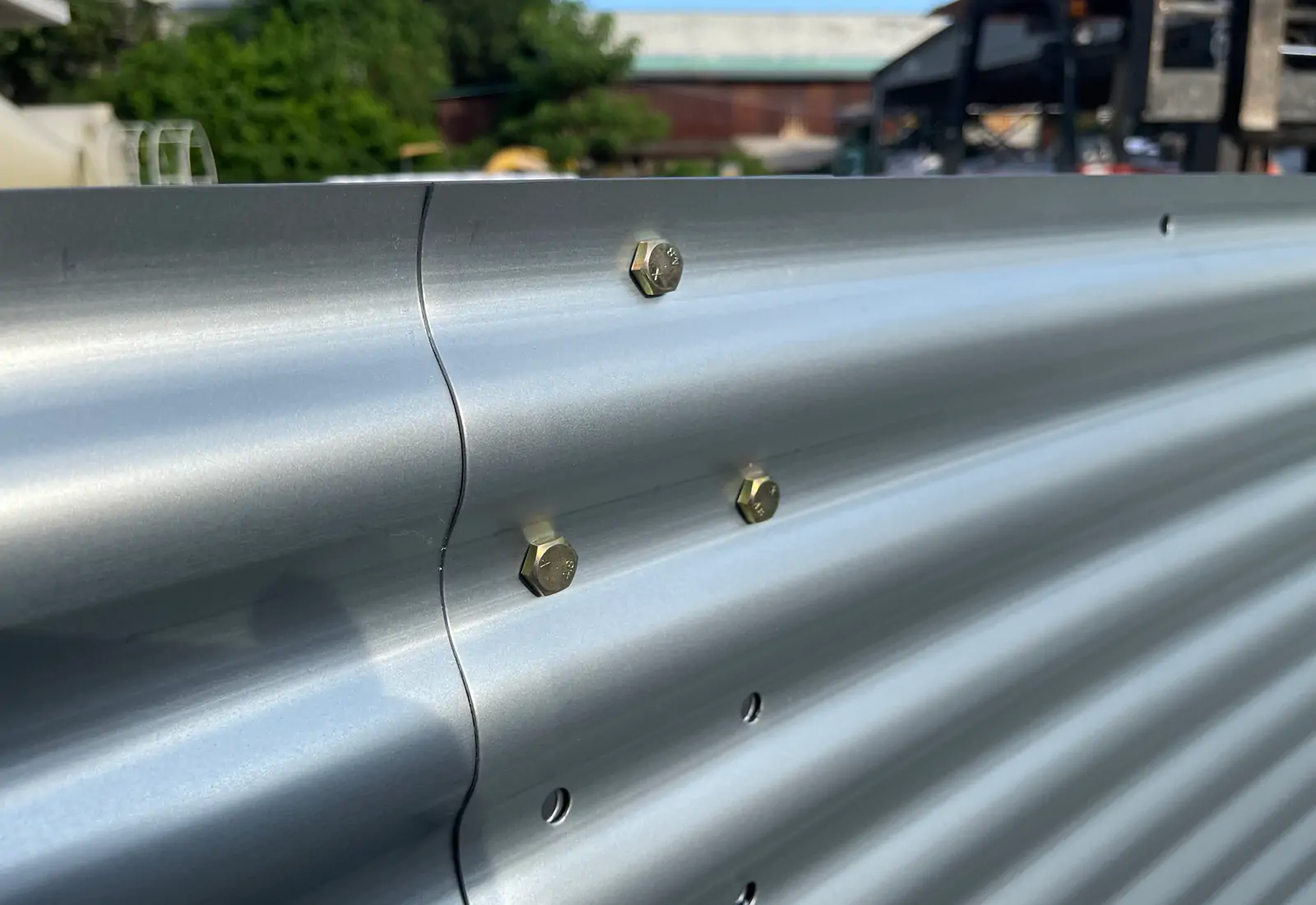
Steel aquaculture tanks operate in humid environments for long periods. That is why corrosion protection needs to be considered from the very beginning.
A galvanized coating helps protect the steel, but using galvanized steel does not mean we can overlook the surface coating, cut edges or connection points.
The real concern with a steel tank is not paying more upfront. It is finding corrosion around cut edges and connections two or three years later, when the tank is already full of fish. Reworking the tank at that point can cost far more than choosing the right steel in the first place.
For our steel tank solutions, we select galvanized steel from Liuzhou Iron and Steel Group, a Fortune China 500 steel producer whose galvanized product lines hold green supply chain credentials, including SCS Kingfisher certification.
We also require traceability of the actual steel grade, thickness, zinc coating mass and batch quality documentation. We pay particular attention to the coating mass designation for both sides of the steel. We treat this as a verifiable purchasing specification, not a promise of a specific corrosion-resistant service life.
We use a duplex system combining hot-dip galvanizing with a baked paint coating. The additional surface barrier is intended to reduce the effects of environmental exposure on the steel.
03 | Pipework Is the Circulatory System of Your RAS
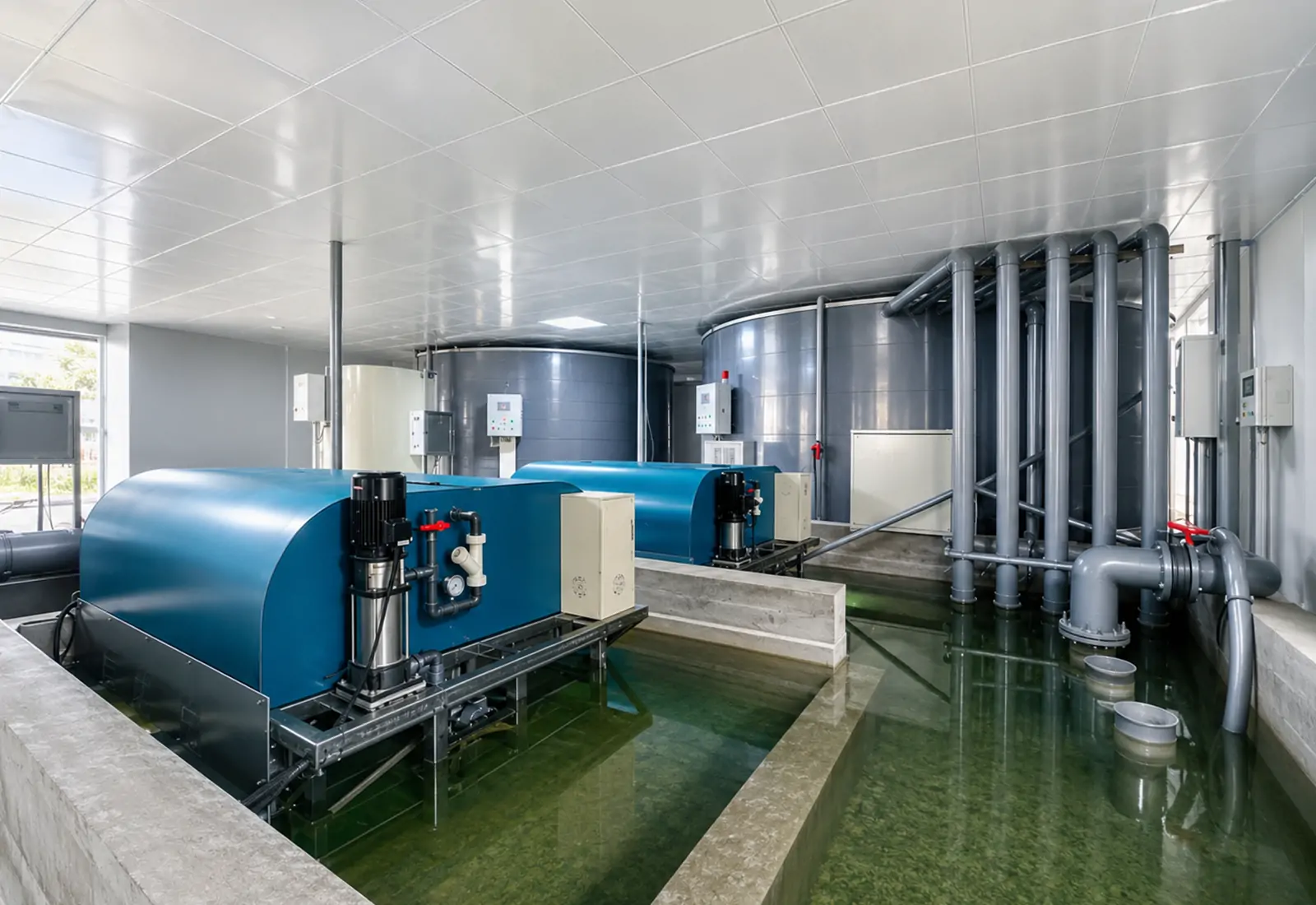
In a recirculating aquaculture system, pipes carry and connect water throughout long-term operation, much like blood vessels in the human body.
Customers sometimes focus on major equipment such as drum filters and water pumps while overlooking the pipe materials, pressure ratings and connection quality.
Even with well-selected equipment, a pipe with an inadequate pressure rating or an incompatible adhesive can cause problems throughout the water circulation system over time.
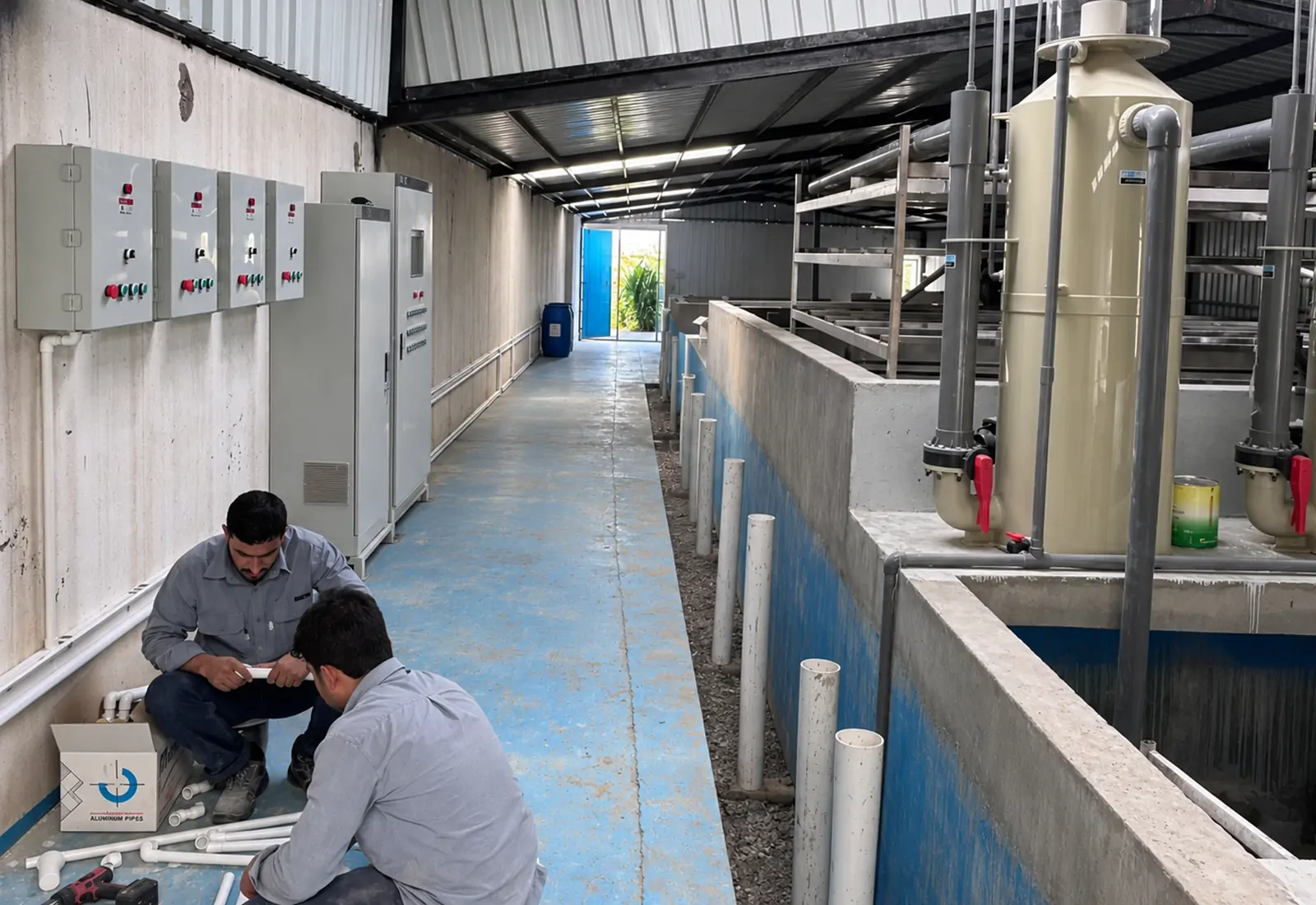
We select LESSO PVC-U water supply pipes and fittings according to flow rates, operating pressures and installation conditions.
LESSO holds several international certifications, including NSF in the United States, DVGW in Germany, WRAS in the United Kingdom and WaterMark in Australia. Its lead-free piping products have been used in major infrastructure projects such as the Hong Kong–Zhuhai–Macao Bridge and the Shenzhen–Zhongshan Link, where long service life and hygiene requirements are particularly important.
We also check whether the pipes, fittings and adhesives match the actual purchased configuration, as well as the relationship between pipe diameters and pressure ratings. We look beyond the brand name.
04 | Reliable Operation Starts with a Solid Frame
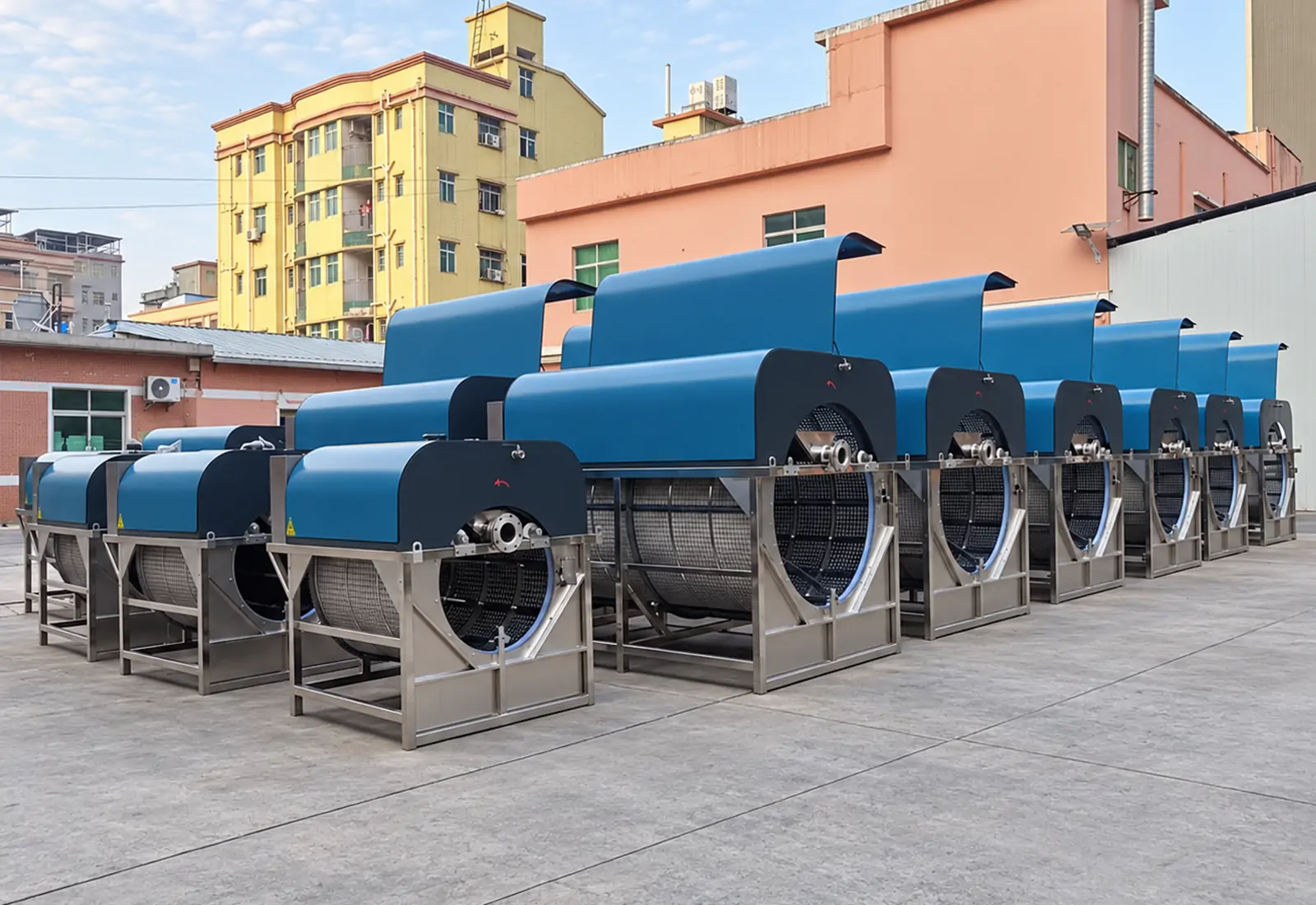
The external frame of a drum filter may not be its most noticeable feature, but it provides structural support for the entire machine.
As we continue upgrading our drum filters with standardized filter screens, drive gears and other components, we do not want the supporting frame to become the weak point.
That is why we upgraded the stainless steel tubing used in our drum filter frames from 50 × 50 mm to 60 × 80 mm, making the overall structure stronger and more durable.
It means spending more on materials, but we believe more reliable structural support is worth the investment.
For us, improving a product does not always mean adding new features. Sometimes, it means revisiting the structural details that customers rarely notice and upgrading the materials used in them.
05 | Make the 100th Unit as Consistent as the First
When components are manufactured individually by hand, even experienced workers can introduce small variations during assembly. It is difficult to make every operation exactly the same.
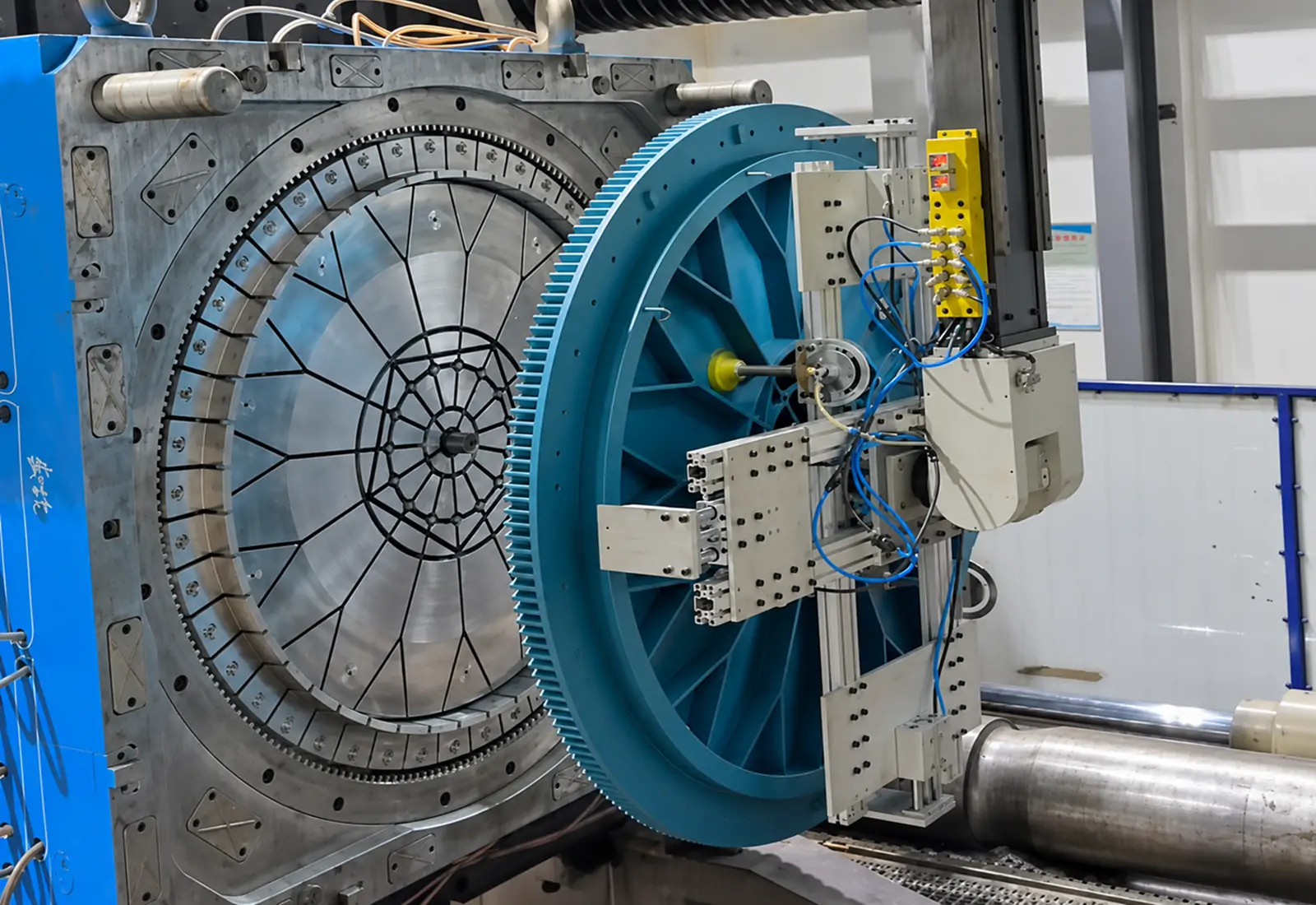
That is why we develop dedicated molds for key components and use standardized manufacturing processes.
Take our drum filters, for example. Most structural components and filter screen modules can be manufactured, assembled and replaced independently. This approach considers both consistency during production and the availability of replaceable parts during future maintenance.
We want to resolve problems that can be addressed during manufacturing rather than leave unnecessary fabrication and maintenance work to our customers.
06 | Catch Problems at the Factory, Not at Your Fish Farm
Connection, sealing or operating problems are often much more difficult to resolve after equipment has been installed at a fish farm than they are at the factory.
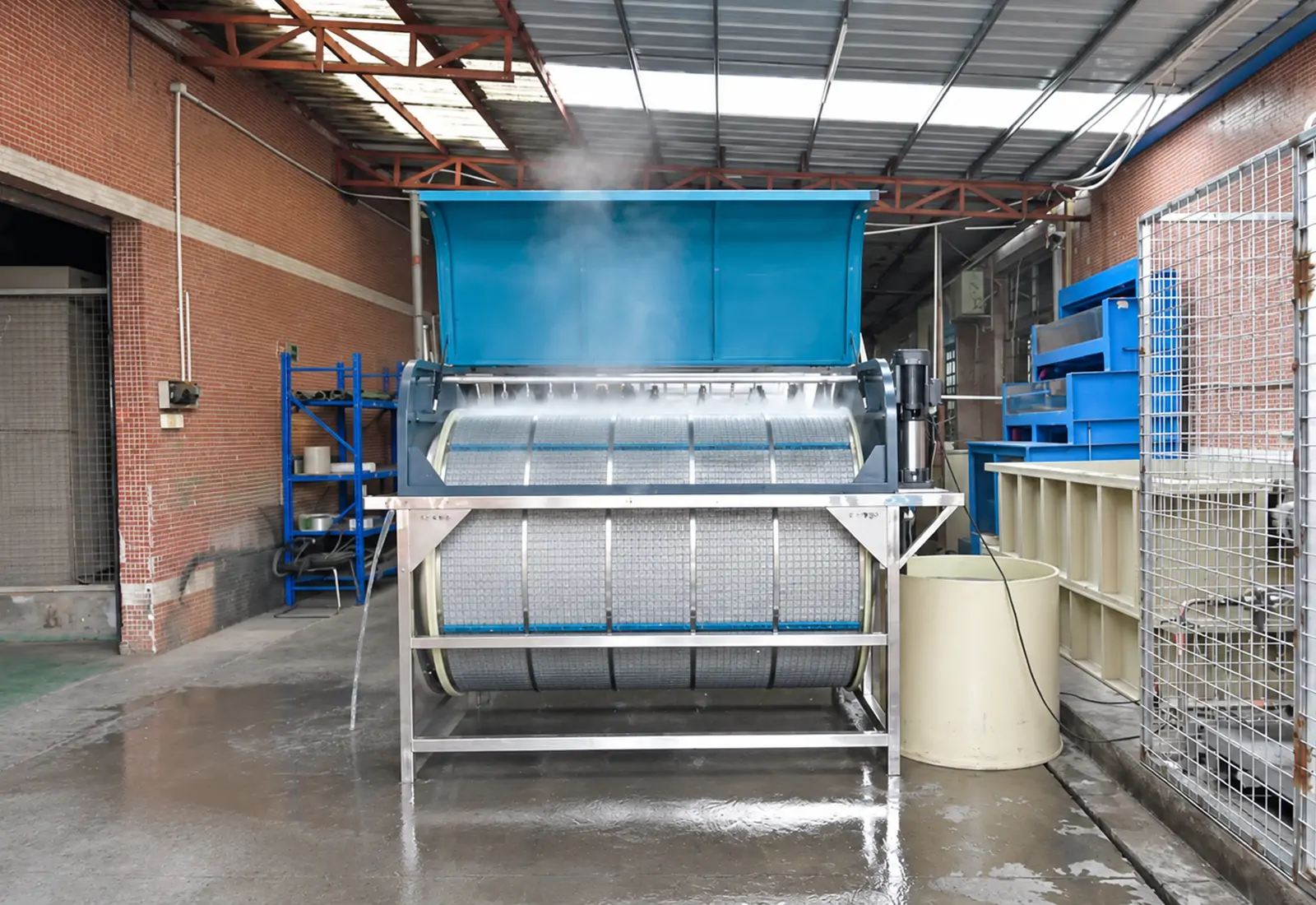
For products that require wet testing, we check the relevant seals and operating conditions before delivery.
For new products and significant design improvements, we also value testing under actual farming conditions at our aquaculture facility. Factory inspections can identify certain problems, while real operating conditions provide a different kind of feedback.
This feedback helps us continue refining our product structures and manufacturing processes.
07 | Delivery Is Only the Beginning
Equipment quality is not just about how a machine performs when it is first installed. It is also about how easily it can be inspected, maintained and repaired years later.
This is one of the reasons we use modular filter screens and standardized components in our product designs.
For questions that arise after delivery, we provide technical support according to the equipment and project requirements, including remote assistance and on-site technical services when needed.
When you encounter a problem, we want you to know exactly what needs checking, what needs repairing and which components can be dealt with individually.
MANUFACTURING IN PRACTICE
Quality You Can See at Every Step
Step inside YUTANK’s manufacturing facility and see how aquaculture equipment is made, from material processing and structural fabrication to final inspections before delivery.
PRODUCT PATENTS
Product Improvements, Documented Through Patents
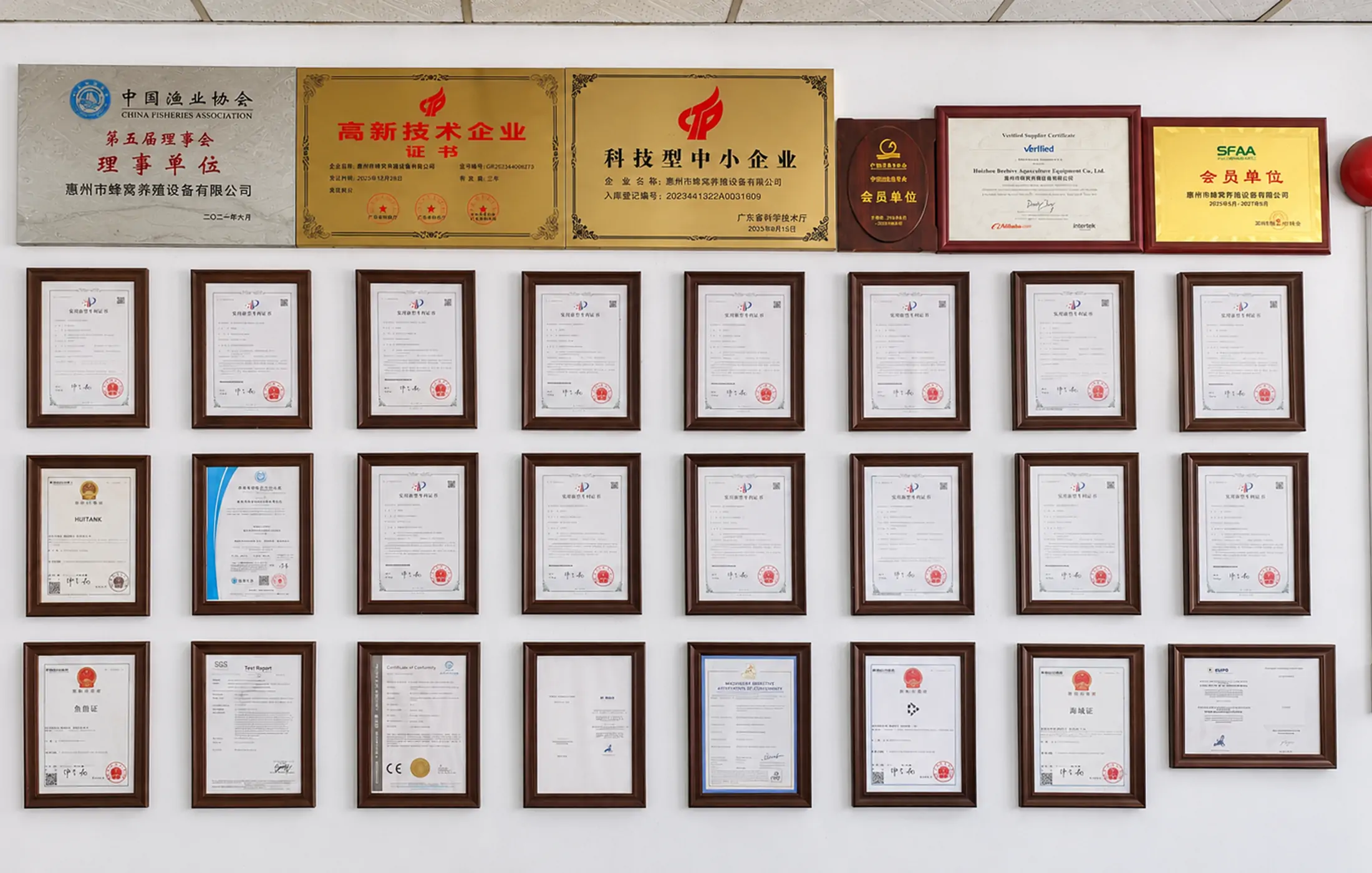
From dismantlable aquaculture tanks to bottom drainage structures, some of our product improvements have been documented through patents.
Shown here are representative certificates directly related to aquaculture tank and drainage designs.
SELECTED RAS PROJECTS
From Manufacturing Details to Real Fish Farms
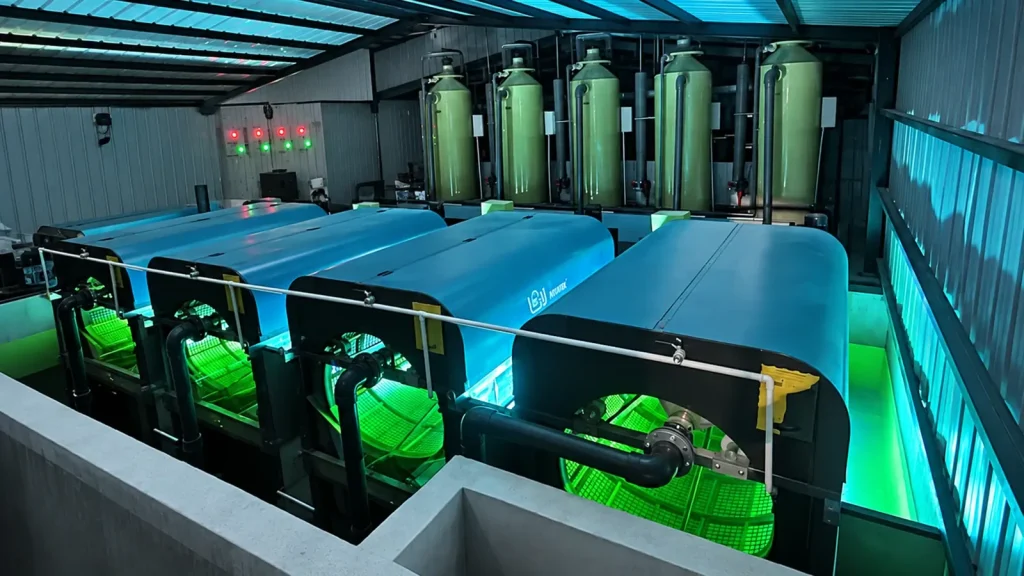
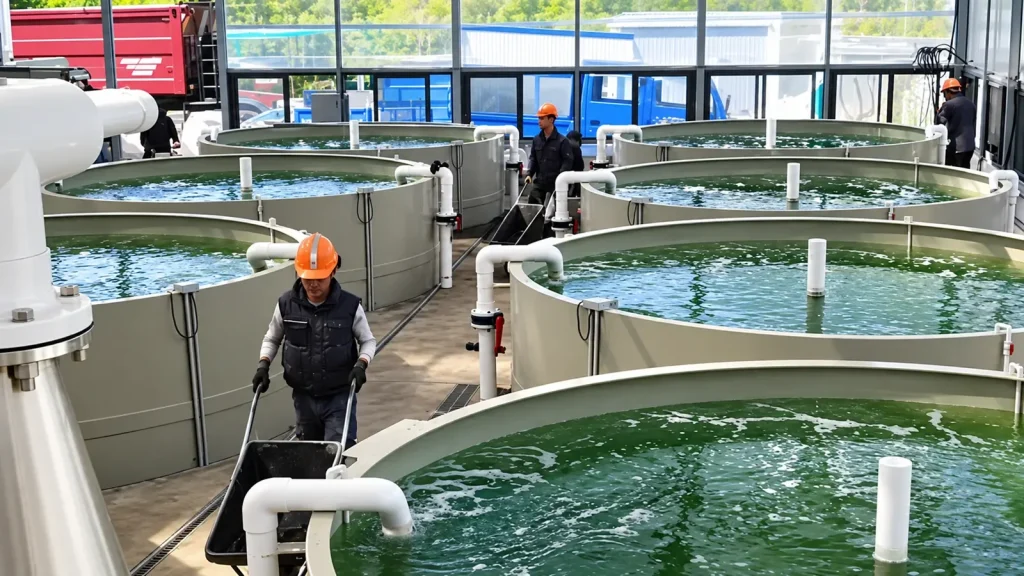
Equipment ultimately has to perform in real farming environments. Explore selected projects featured on our website, showing practical applications across different species and production scales.

Get to Know Our Materials and Manufacturing
If your project has specific requirements for tank materials, pipe specifications, equipment structures or installation conditions, tell us about them.
We can discuss these requirements in the context of actual products and engineering solutions.
