
From Running a Fish Farm to Designing Aquaculture Equipment
Hi, I’m Tony.
I founded YUTANK, and I’m also responsible for our product development and design.
Today, YUTANK provides aquaculture tanks, water-treatment equipment and complete recirculating aquaculture systems (RAS). But my career didn’t begin in a design office or a factory. It began on an ordinary fish farm.
Before founding YUTANK, I ran my own fish farm. Every day, I dealt with tanks, water quality, waste discharge and equipment maintenance. I know how easily dirt collects in the folds of a tarpaulin liner. I’ve also dealt with liners chewed through by rats and the trouble caused by equipment failures.

The Problems Started with Everyday Fish Farming
In 2016, I took inspiration from the modular construction of grain silos and began developing galvanized steel aquaculture tanks. In 2017, I led our team in completing our first modular galvanized steel tank.
We later developed honeycomb-reinforced PP aquaculture tanks and continued improving drum filters and other water-treatment equipment. Over time, we also became involved in the design of complete RAS systems.
The products have changed, and so has my work. But one idea has stayed with me: real innovation begins with real needs.
On Design
I’ve never been particularly interested in innovation for its own sake.
For someone running a fish farm, whether a technology is practical and easy to maintain often matters more than how advanced it sounds.
Our honeycomb-reinforced PP aquaculture tank is one example. Even when we were developing our early galvanized steel tanks, I wanted to make them stronger, easier to transport and install, and less troublesome to maintain.
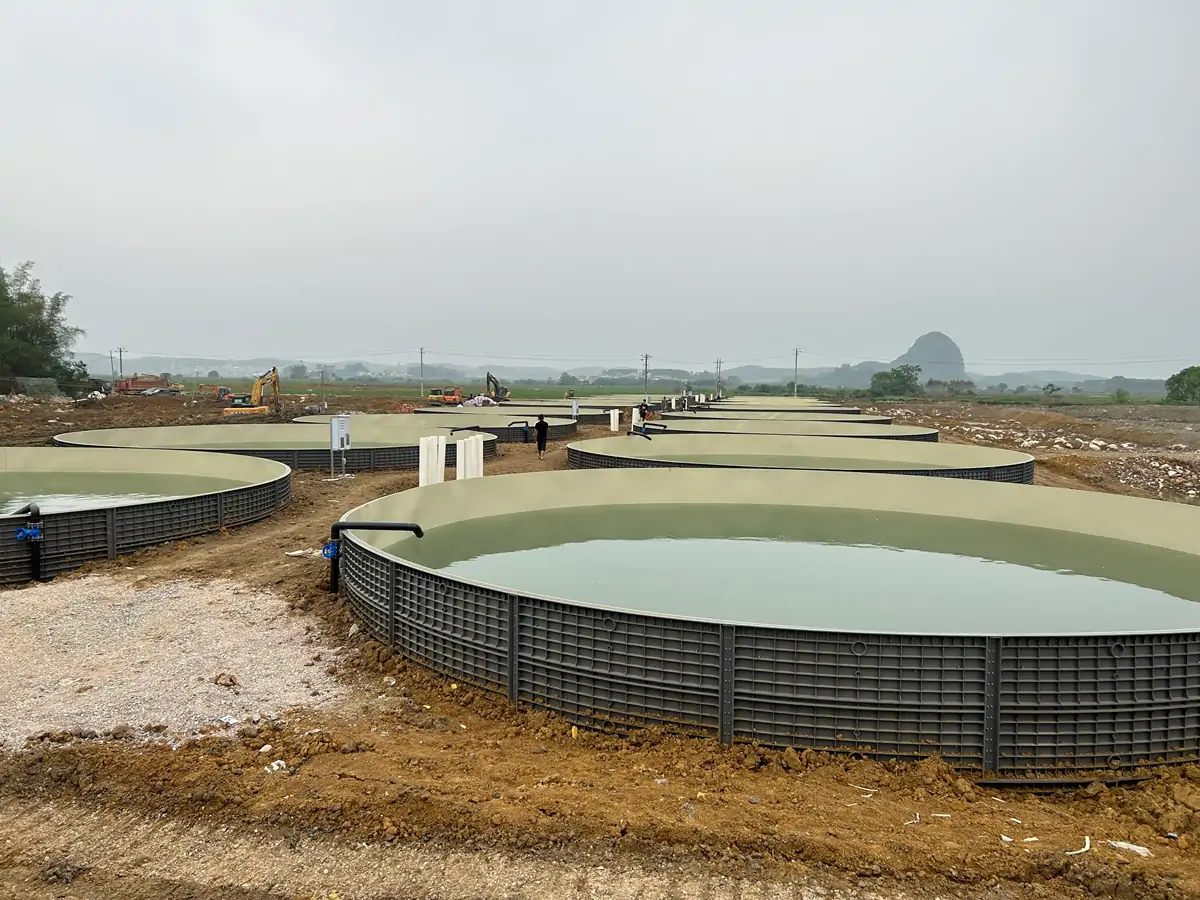
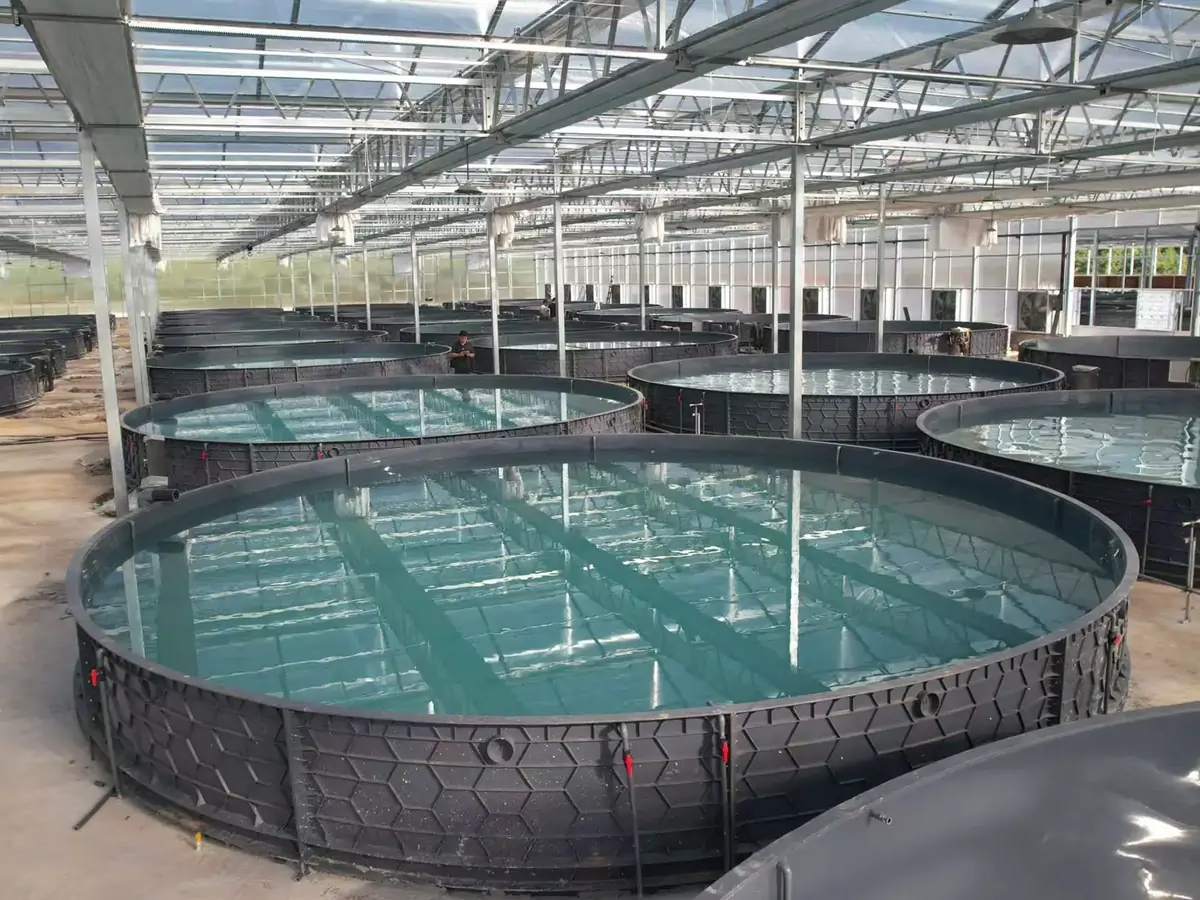
Later, we developed modular honeycomb-reinforced PP tanks. The reinforced honeycomb structure supports the tank walls, while the modular design makes transport and on-site assembly more practical.
But getting the tank structure right didn’t mean every problem was solved. We tried many different approaches to waterproofing and the interior surface.
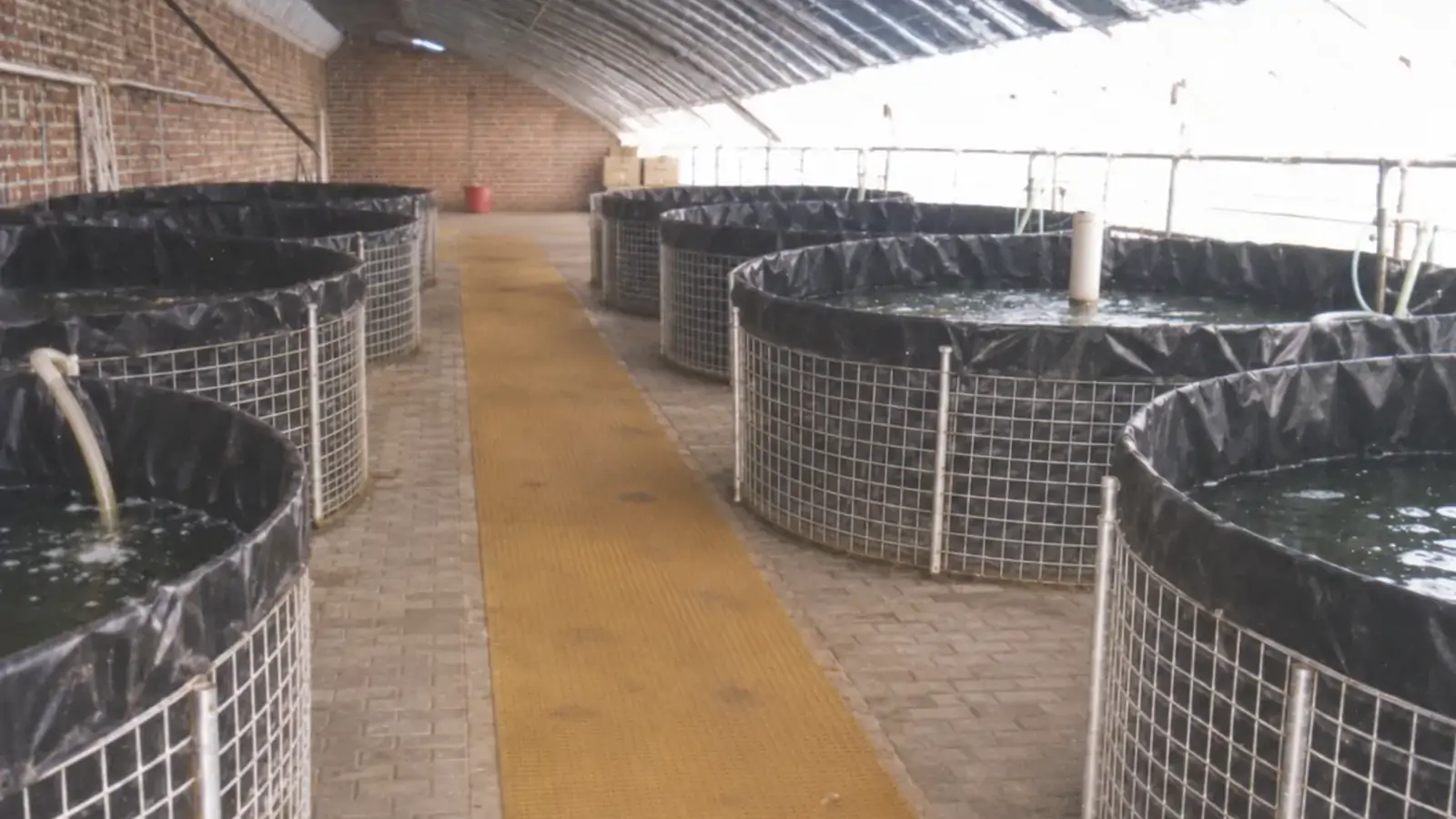
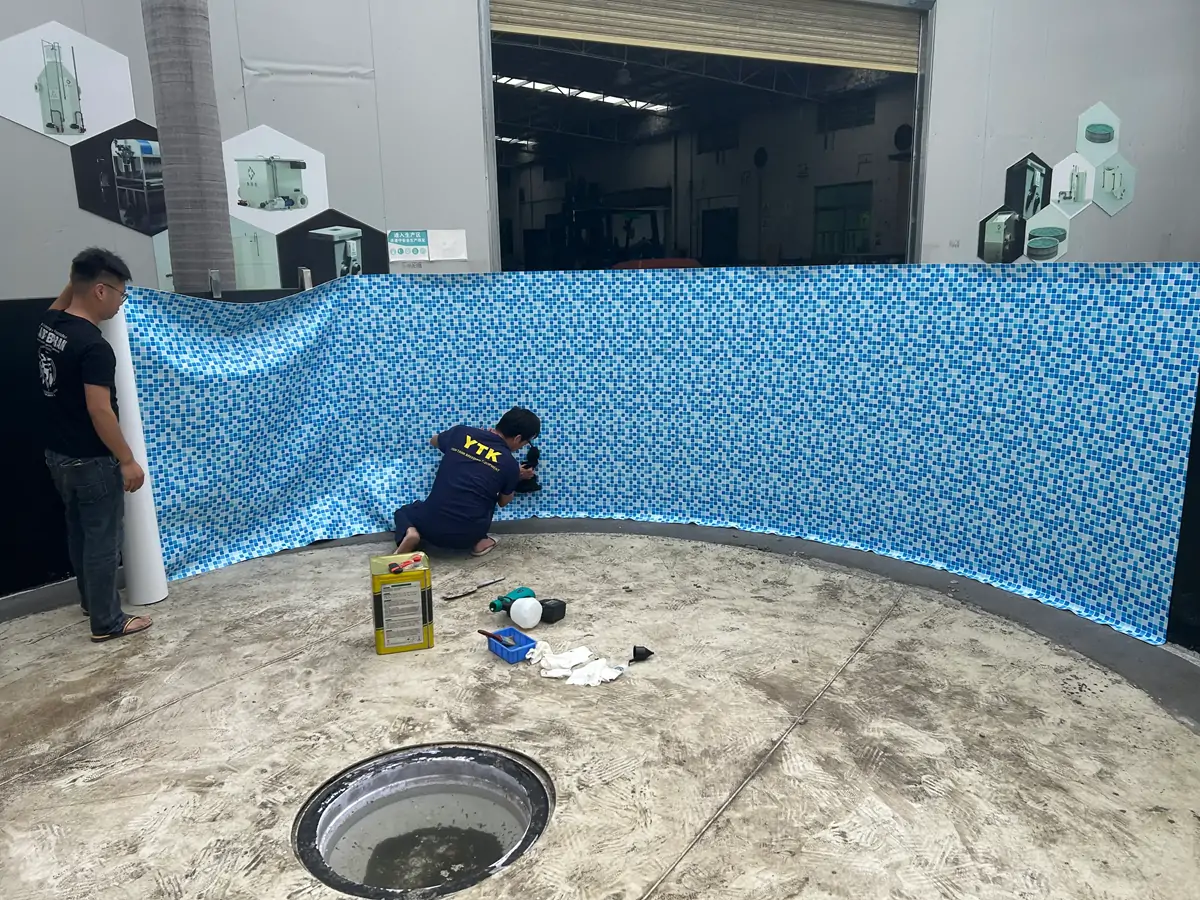
At first, we used tarpaulin liners. They were easy to install, but folds could form along the inner surface. We then tried PP liners. Both the material and labor costs were high—it was the most expensive approach we tested. Later, we experimented with film lamination. The materials changed, but the labor costs were still considerable. Through continued improvements, we eventually developed our current approach, which requires no additional liner. Instead, we focus on waterproofing through the tank’s own design and manufacturing process.
Four Approaches to Tank Interiors

We keep finding problems in real manufacturing and everyday use—and then looking for practical ways to solve them. The same thinking also shapes the way we improve our drum filters.
How a Customer’s Problem Led Us to Improve Drum Filter Screens
A customer once approached me about having a replacement drum filter screen made. He was using imported RAS equipment, but when the screen was damaged, he couldn’t find a compatible replacement in China. Ordering another one from overseas was expensive and inconvenient.
That made me think about our own equipment, which we also sell internationally. If a customer overseas ran into the same problem, should they really have to pay so much just because one small section of a screen had been damaged?
So we redesigned the screen assembly.
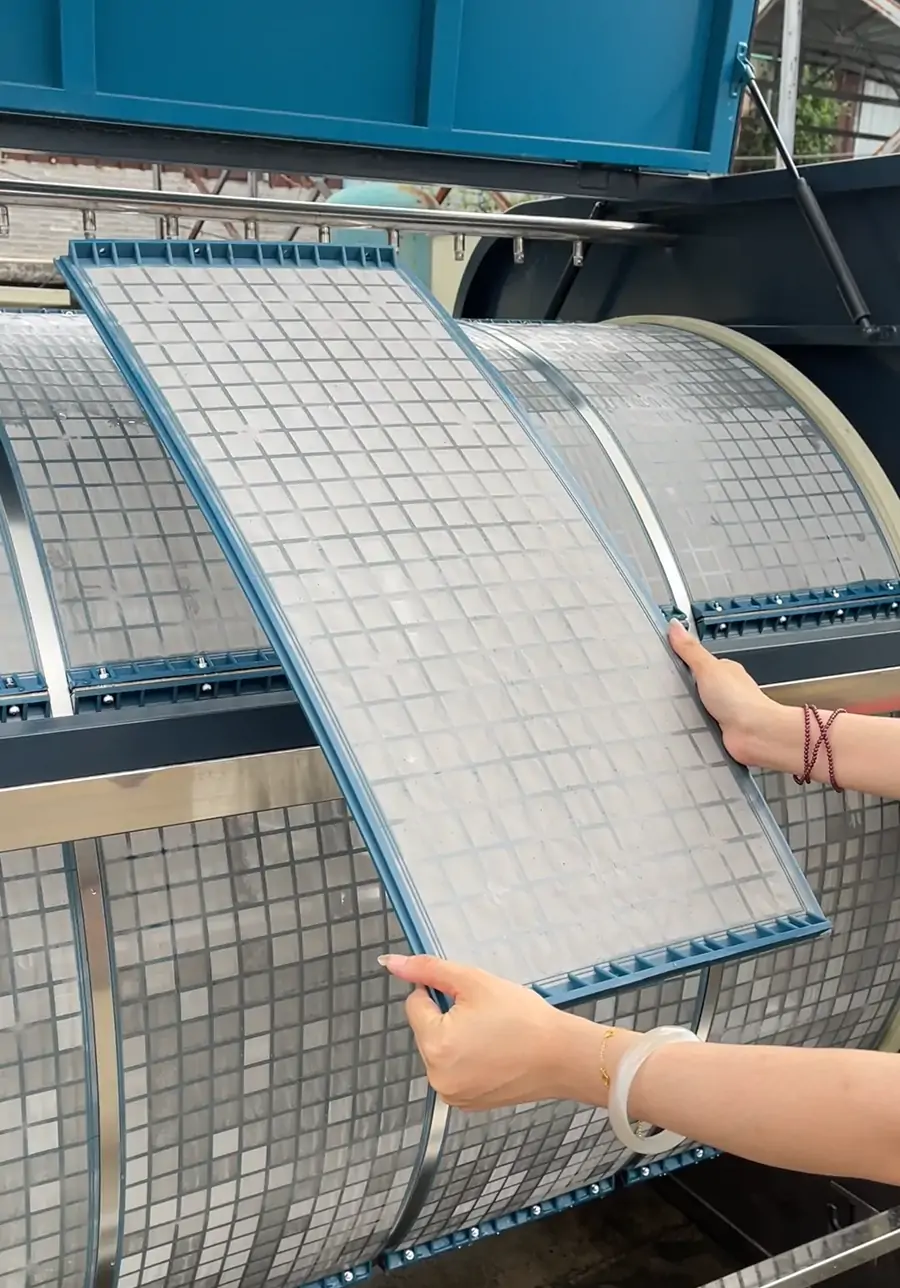
Today, every YUTANK drum filter model uses a modular screen design. If a panel is damaged, it can be replaced on its own. For small tears or holes that are suitable for repair, dedicated clips can also be used for a local repair.
It isn’t a complicated new technology. But it makes maintenance easier. To me, that’s what useful design looks like.
On Manufacturing
During a production review meeting, I noticed differences in the dimensions, assembly and finish of some products. The reason wasn’t complicated: too many steps depended on manual fabrication and adjustment on site. I didn’t see this as a problem with the workers. Even highly experienced people can’t perform every operation in exactly the same way. If consistent quality depends too heavily on individual experience, then the manufacturing process needs to change.
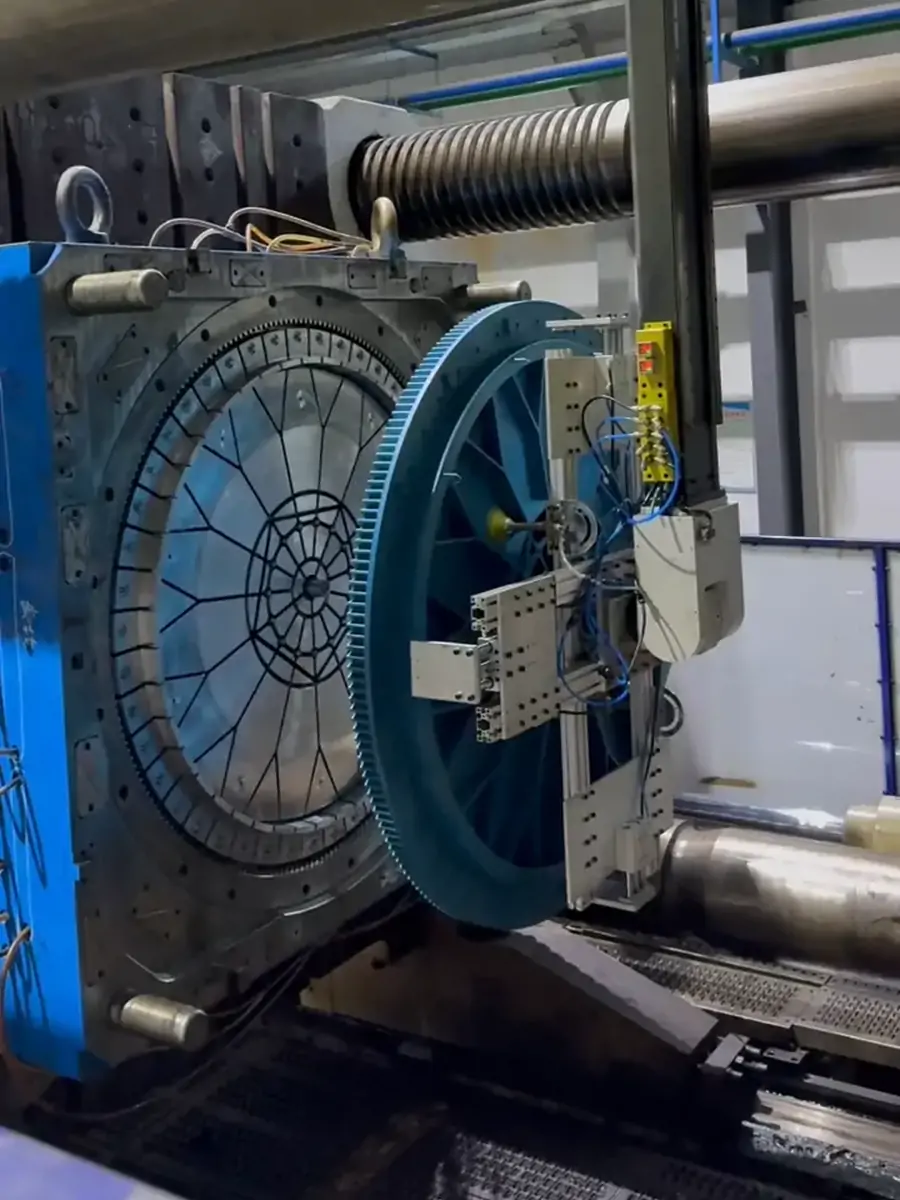
That’s why I began pushing for more standardized production. We developed our own molds, increased the use of standardized components and reduced unnecessary manual fabrication and assembly adjustments. The products became more consistent, and labor costs came down. We put those savings back into the products.
Take the stainless steel frames of our drum filters. People sometimes ask why YUTANK continues upgrading materials when so much of the market competes on price. My answer is simple: as we improve screens, gears and other components, I don’t want the frame supporting the entire machine to become its weak point. We therefore upgraded the stainless steel tubing used in our drum filter frames from 50 × 50 mm to 60 × 80 mm. This upgrade is now used across all our drum filter models.
The stronger structure costs more in materials, but I believe that support is worth the investment. For me, the real value of standardization is that it reduces manufacturing variation and gives us room to invest more resources in improving the product.
On Materials and Quality
Having run a fish farm myself, I know that when equipment fails, the cost goes far beyond the repair bill. There is also the time, the effort and the disruption to day-to-day farming.
That is why I’m willing to spend more on materials and manufacturing processes now if it means fewer problems for customers later. It’s a principle we apply across our products.
Galvanized steel aquaculture tanks are one example. Over the years, I’ve seen tanks begin to rust after several years of use. Some fish farmers end up buying paint and repainting the tanks themselves, hoping to extend their service life.
I kept asking myself: if we already know that fish farms operate in damp environments, why not give corrosion protection more attention before the tank leaves the factory? Why should customers have to discover the problem and then deal with it on their own?
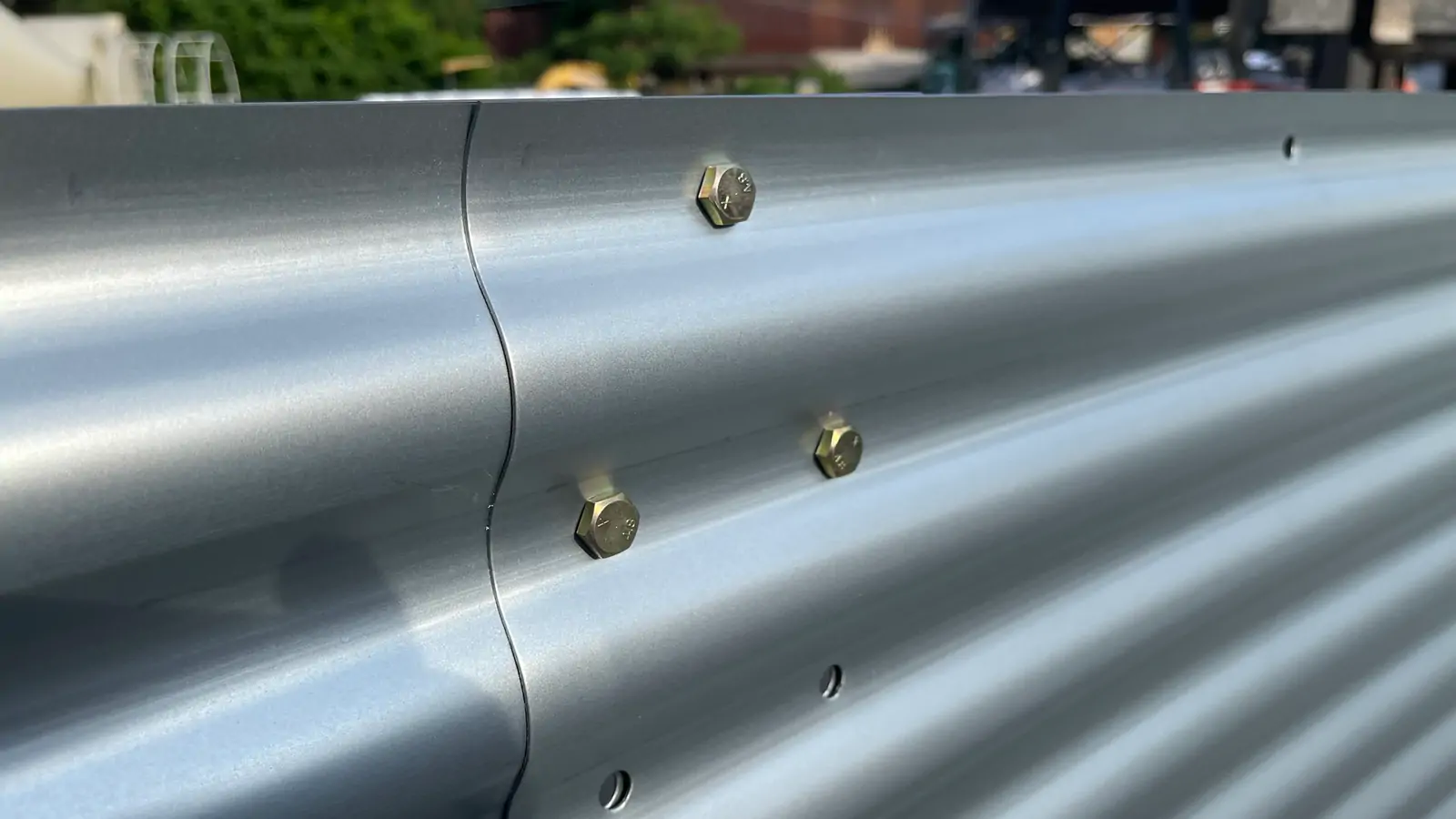
That’s why, with YUTANK galvanized steel tanks, we consider not only the steel itself but also its surface protection. We use galvanized steel sheet from Liugang Group, a major Chinese steel producer, together with a duplex protective system combining hot-dip galvanizing and a baked-on paint coating. The aim is to create an additional barrier that helps slow corrosion in the operating environment.
It adds to the material and manufacturing cost, but I believe it’s a worthwhile investment.
On RAS: Good Equipment Doesn’t Always Make a Good System
YUTANK started with aquaculture tank manufacturing. As I worked with more customers, I began noticing a recurring problem. Some fish farms bought tanks, pumps, drum filters and other water-treatment equipment from different suppliers and then tried to put everything together. Each piece might work well on its own, but that doesn’t mean the equipment will work well together as a system.
Sometimes a piece of equipment is oversized, adding unnecessary investment and energy consumption. Sometimes it lacks the capacity needed, limiting the performance of the whole system. That made me realize we couldn’t focus only on individual machines. What a customer needs is a fish farm that operates properly—not simply a collection of equipment.
So we gradually moved beyond equipment development and manufacturing into complete RAS system design and construction. Today, we start with the species being farmed, the scale of production and actual operating needs. From there, we consider how the tanks, water circulation, filtration and other treatment processes should work together. I want YUTANK to be more than an equipment supplier. We should help customers design a functioning aquaculture system, not just sell them the parts.
Looking Ahead: I’m Still a Fish Farmer
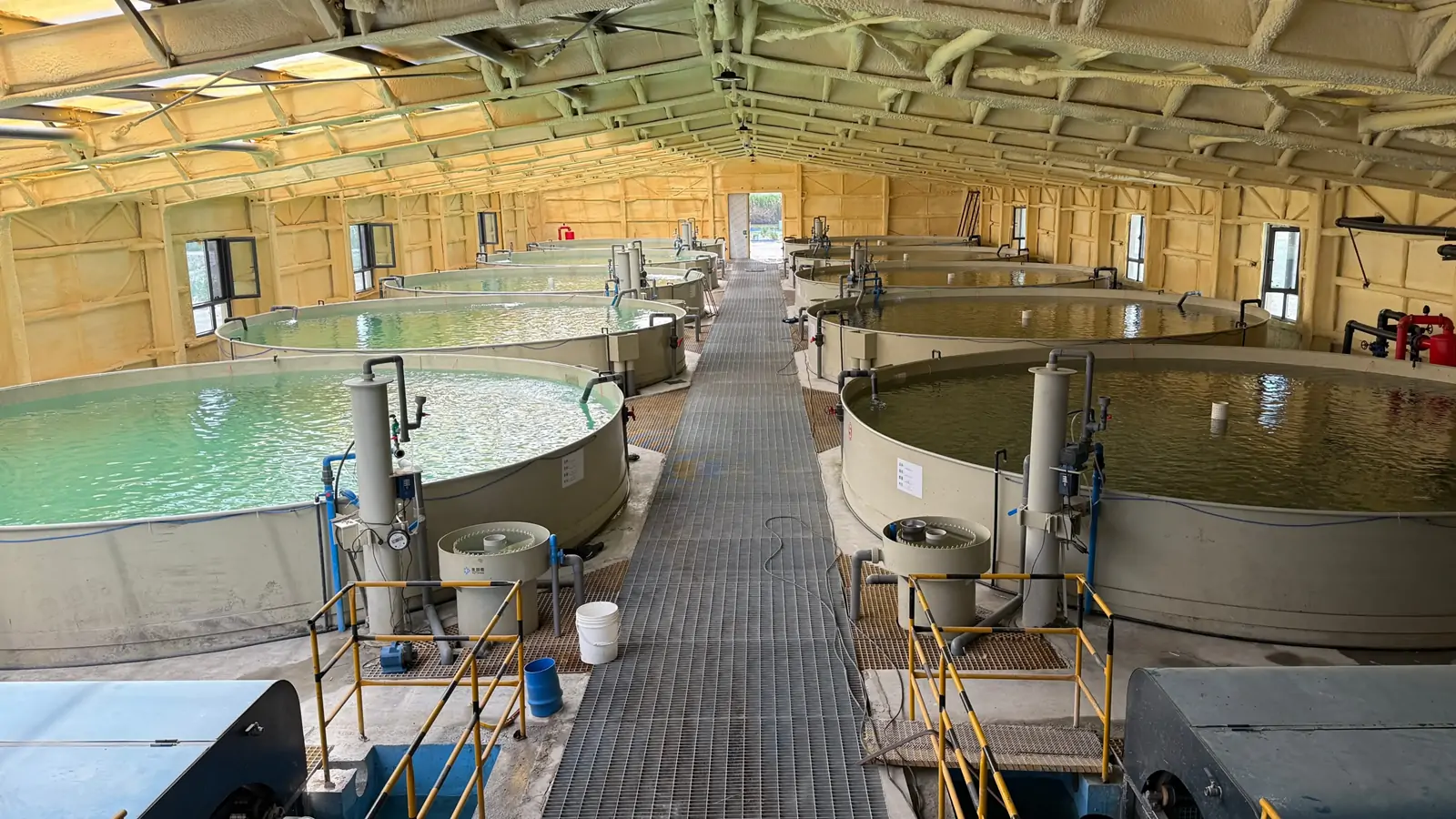
Today, YUTANK has its own factory, R&D team and RAS aquaculture testing facilities.
But I don’t want our product development to drift away from real fish farming. We test equipment at our own facilities, where we continue to work with aquaculture systems, and we listen carefully when customers tell us about problems during installation, operation and maintenance.
Some problems call for a new product. Others can be solved by improving a small, easily overlooked component.
I still believe good design should come from real working conditions. Even today, whenever we’re about to design or improve a product, I ask myself one question:
Would I be willing to use this product on my own fish farm?
I hope I never stop asking it.

A Final Message
If you’re planning a new fish farm or looking to improve an existing aquaculture system, there’s something I’d like to share.
I know how many practical decisions go into a farming project: investment costs, species, equipment maintenance and whether the system will run reliably over time. These aren’t small concerns.
I don’t believe the most expensive equipment is always the best choice. And I don’t believe one standard solution can meet the needs of every farm.
What I hope we can do is take the time to understand your farming plans, talk openly about the challenges and work out which equipment and system design actually make sense for you.
I don’t want YUTANK to be a company that simply sells you equipment. I want the products and solutions we provide to genuinely help you run your farm well.
Welcome to YUTANK.
Tony
Founder & Head of Product Development and Design | YUTANK