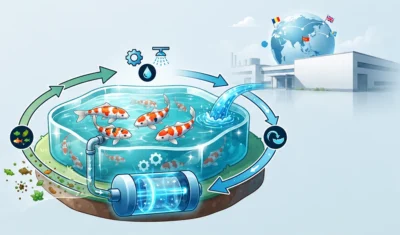
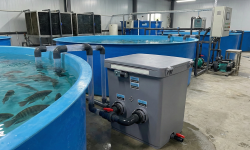
When koi worth a fortune need pristine water, a drum filter keeps your RAS crystal-clear, low-maintenance, and profit-friendly.
Running a koi pond at scale isn’t just about looking pretty—it’s a full-on balancing act where clarity, chemistry, and cost all duke it out. If your water’s murky or your crew’s burning hours on upkeep, odds are your current drum filter setup is falling flat. These little stainless-steel beasts aren’t just glorified sieves—they’re the heartbeat of any serious RAS operation, filtering out gunk faster than you can say “nitrate spike.”
And when you’re managing thousands of gallons and koi that cost more than some folks’ cars? Yeah—you don’t want to gamble on subpar gear. You want filtration that works like clockwork, slides into your system without drama, and saves you money over time. Welcome to the world where precision meets peace of mind.
Essential Insights on Drum Filter Mastery
- Power of Components: A drum filter’s effectiveness relies on a rotating screen for debris capture and a self-cleaning mechanism for consistent operation.
- Key Features: Micro-mesh panels enhance filtration by targeting tiny particles, while a solids collection trough promotes waste management.
➔ Performance Metrics: Main factors include filtration efficiency and solids capture rate, both critical for maintaining optimal water quality.
- Material Matters: Choosing marine-grade stainless steel ensures durability and corrosion resistance, extending the lifespan of your drum filter.
- Sizing for Success: Properly sizing your drum filter based on maximum flow rate and treatment volume is essential for efficient performance in large koi ponds.
➔ Maintenance Essentials: Regular upkeep, including monitoring backwash frequency and having a spare parts inventory, prevents clogs and operational issues.
Understanding Drum Filters: The Core of Koi Pond Filtration
Drum filters are essential for maintaining a clean and healthy koi pond environment. They efficiently filter out debris, ensuring your pond stays crystal clear.
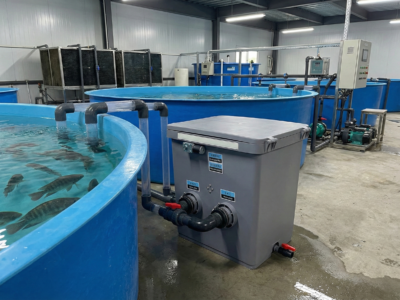
Components of a Drum Filter: Rotating Screen to Self-Cleaning Mechanism
- Key Elements:
- Rotating screen captures particulates effectively.
- The self-cleaning mechanism automates debris removal during backwash.
- A spray bar helps in cleaning the screen consistently.
- The waste outlet directs removed debris away from the system.
- A reliable drive motor powers the entire operation.
- The control system is housed within the filter housing, ensuring safety and efficiency.
The combination of these components makes drum filters a favorite among pond enthusiasts, especially with brands like Yutank leading the way in quality filtration solutions.
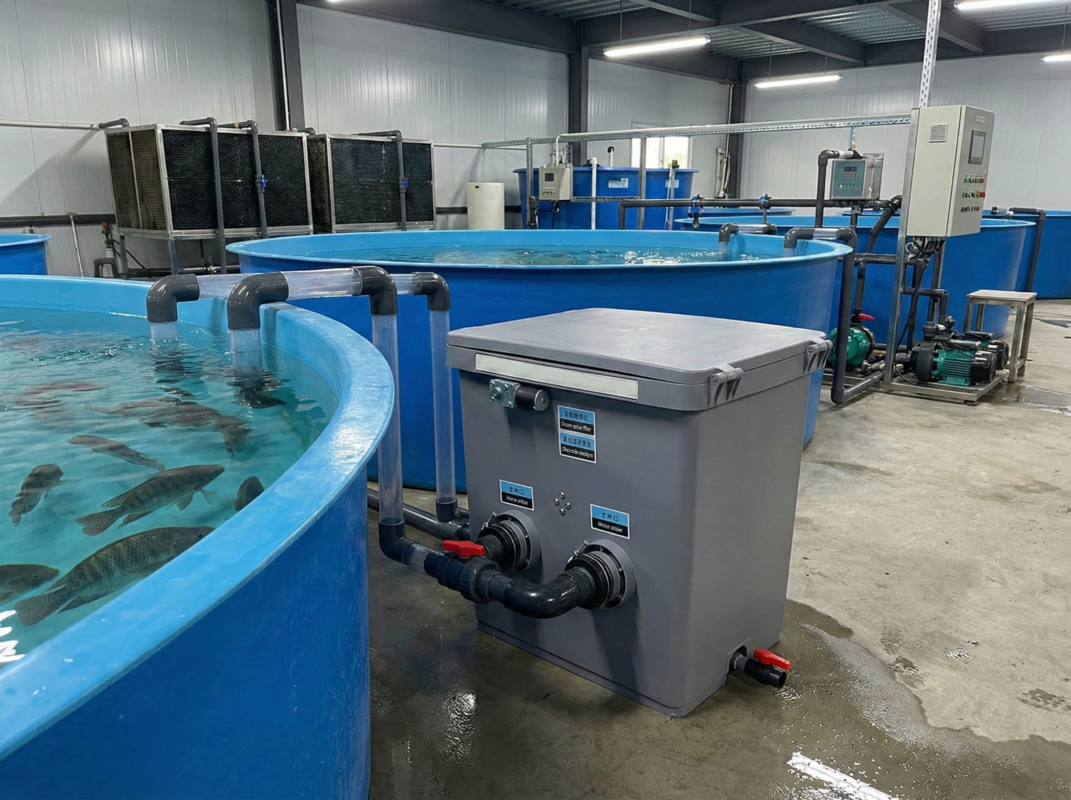
Essential Features: Micro-Mesh Panels and Solids Collection Trough
- Micro-mesh panels are crucial for filtering small particles effectively.
- The solids collection trough channels waste away, keeping water clear.
- Panels made from durable materials enhance longevity.
- Mesh aperture size determines filtration efficiency; smaller sizes catch finer debris.
- Proper water flow through these features maintains optimal performance.
- Effective debris capture leads to healthier pond ecosystems.
The use of micro-mesh technology ensures that even minute impurities are filtered out, contributing to overall water clarity and health.
Performance Essentials: Filtration Efficiency and Solids Capture Rate
A good drum filter’s performance hinges on two main factors:
- High filtration efficiency ensures more contaminants are removed from the water.
- A strong solids capture rate indicates how well it can handle various particle sizes.
- Micron ratings determine what size particles can be filtered out; lower numbers mean finer filtration.
- Flow capacity affects how much water can be processed at once, impacting overall effectiveness.
- Improved water clarity directly correlates with better pond health and aesthetics.
As noted in recent studies, “Effective filtration systems significantly enhance aquatic life quality,” underscoring the importance of reliable drum filters in koi ponds.
Material Considerations: Marine-Grade Stainless Steel and Robust Frame Construction
When choosing a drum filter, material matters significantly:
- Using marine-grade stainless steel ensures corrosion resistance against harsh environments.
- A robust frame construction guarantees durability over time, even under continuous use.
- UV stability is essential for outdoor applications where sunlight exposure is high.
- Quality materials contribute to overall filter longevity and performance consistency.
- Investing in high-quality construction pays off with fewer replacements needed over time.
Selecting a well-built drum filter not only enhances its lifespan but also improves its effectiveness in maintaining a pristine koi pond environment.
5 Key Benefits of Using a Drum Filter for Koi Ponds
Drum filters are essential for maintaining the health and clarity of koi ponds. They offer several advantages that contribute to better water quality and sustainability.
Efficient Water Quality Management through Suspended Solids Removal
- Enhanced water quality leads to healthier aquatic environments.
- Effective suspended solids removal reduces biological oxygen demand (BOD).
- Improved filtration efficiency boosts pond clarity.
The use of a drum filter significantly minimizes nutrient loads, which is crucial for maintaining balance in koi ponds. According to recent studies, effective mechanical filtration can reduce harmful particulates by up to 90%. This level of fines removal ensures that your pond remains not just visually appealing but also biologically safe for your koi.
Turbidity Reduction and Its Impact on Aquatic Life
- Lowered turbidity enhances visibility in the water, benefiting both koi and other aquatic life. • Improved water clarity reduces stress on fish, promoting overall health. • Healthier environments lead to increased resilience against diseases.
By utilizing a drum filter, you can expect clearer water that allows sunlight to penetrate deeper. This is vital for plant growth and contributes positively to the ecosystem within your pond. A study from the Aquatic Research Institute indicated that reduced turbidity can lead to a 25% increase in fish vitality, underscoring the importance of investing in high-quality filtration systems.
Operational Sustainability: Lower Power and Water Consumption
- Energy-efficient designs lower overall power consumption.
- Automated cleaning processes minimize manual effort while conserving resources.
- Reduced backwash cycles contribute to effective water conservation.
The operational benefits of a drum filter extend beyond just functionality; they also support sustainability efforts. With lower running costs and less environmental impact, these systems are an excellent choice for conscientious pond owners. According to recent findings by the Global Pond Management Association, implementing efficient filtration solutions can reduce energy costs by up to 30%, making it an economically sound investment as well as an environmentally friendly one.
How to Choose the Right Size Drum Filter for Your Pond
Selecting the appropriate drum filter for your pond can significantly enhance water quality and overall ecosystem health. Here’s how to navigate this process effectively.
Sizing Metrics: Maximum Flow Rate and Treatment Volume per Hour
When picking a drum filter, keep in mind these key metrics:
- Flow rate should match or exceed your pond’s needs.
- Treatment volume indicates how much water can be filtered in an hour.
- Consider your pond size; larger ponds demand higher capacities.
- Ensure that the pump capacity aligns with the filter’s specifications.
A well-sized filter capacity not only ensures optimal filtration but also prevents overloading. For instance, if you have a 1,000-gallon pond, look for a unit capable of handling at least 500 gallons per hour (GPH). This ensures efficient turnover.
Evaluating System Flow Capacity for Optimal Performance
To achieve optimal performance from your drum filter, consider:
- The overall system flow from pump selection to plumbing design.
- Assessing total flow capacity is crucial; too little can lead to bottlenecks.
- Aim for a complete pond turnover every 1-2 hours for effective filtration.
Remember, filtration efficiency hinges on proper circulation. If your pump isn’t up to par, even the best filter won’t perform as expected.
Understanding Head Loss Characteristics in Drum Filters
Head loss is an important factor affecting water flow through any drum filter system.
- A high pressure drop can hinder performance; aim for low friction loss.
- Evaluate both gravity-fed and pump-fed systems regarding their unique head loss characteristics.
- Understand that plumbing resistance plays a significant role in overall efficiency.
By choosing filters designed with minimal head loss in mind, you ensure consistent performance and maintain healthy water movement throughout your pond.
Importance of Mesh Opening Size for Specific Applications
The mesh size of your drum filter directly impacts its effectiveness in removing particles:
- Smaller mesh sizes (e.g., 100 microns) excel at trapping fine debris while larger sizes may suffice for general filtration needs.
- Consider specific applications: koi ponds benefit from finer meshes due to their delicate ecosystems.
In practical terms:
- A mesh size of 200 microns may work well for general debris removal,
- But if you’re dealing with smaller particles or more sensitive aquatic life, opt for something around 50 microns.
Ultimately, selecting the right mesh will enhance both mechanical and bio-filtration processes within your pond setup. Brands like Yutank offer various options tailored to specific needs, ensuring clarity and health in your aquatic environment.
Troubleshooting Common Drum Filter Issues in Koi Ponds
Addressing drum filter issues is crucial for maintaining a healthy koi pond. Understanding common problems and solutions can help keep your aquatic environment thriving.
Common Problems: Backwash Frequency and Power Consumption Issues
- Excessive backwash frequency can signal underlying design flaws.
- High power consumption often points to operational inefficiencies.
- Regular monitoring of cycle duration helps identify energy waste.
- Identify signs of pump strain by checking for unusual sounds or vibrations.
- Calculate the electrical costs associated with your current setup to assess potential savings.
Frequent backwashing not only wastes energy but also puts unnecessary stress on your system, increasing maintenance costs. According to recent studies, optimizing backwash cycles can reduce energy waste by up to 30%.
To mitigate these issues, consider upgrading your drum filter design or consulting experts in the field.
Solutions for Clogged Filter Media & Maintenance Strategy
Regular maintenance is key to preventing clogged media that can disrupt flow rates. Here’s how you can ensure optimal performance:
- Establish a maintenance schedule that includes:
- Weekly inspections
- Monthly deep cleaning sessions
- Seasonal thorough checks
Utilize pressure washing techniques for effective debris removal, targeting areas prone to bio-film buildup. Preventative measures are essential in maintaining clear pathways and ensuring efficient filtration.
A well-maintained drum filter system reduces the likelihood of clogs and extends the lifespan of your equipment, ensuring a steady flow of clean water for your koi.
Importance of Automation Controls in Efficient Operation
Incorporating automation systems into your drum filter setup enhances operational efficiency significantly:
- Control units equipped with sensor technology allow:
- Real-time monitoring of filter performance
- Automated management of backwash cycles
Programmable logic controllers (PLCs) streamline operations while reducing manual intervention. Remote monitoring capabilities provide reliability and energy optimization, allowing you to adjust settings based on real-time data.
As stated by industry leaders, “Automation not only saves time but also optimizes resource use.” By investing in advanced automation controls, such as those offered by brands like yutank, you ensure that your koi pond remains healthy with minimal effort.
The Ultimate Guide to Drum Filters for Koi Pond Owners
Drum filters are essential for maintaining a healthy koi pond. Understanding their integration, procurement, installation, maintenance, and future-proofing can enhance your experience.
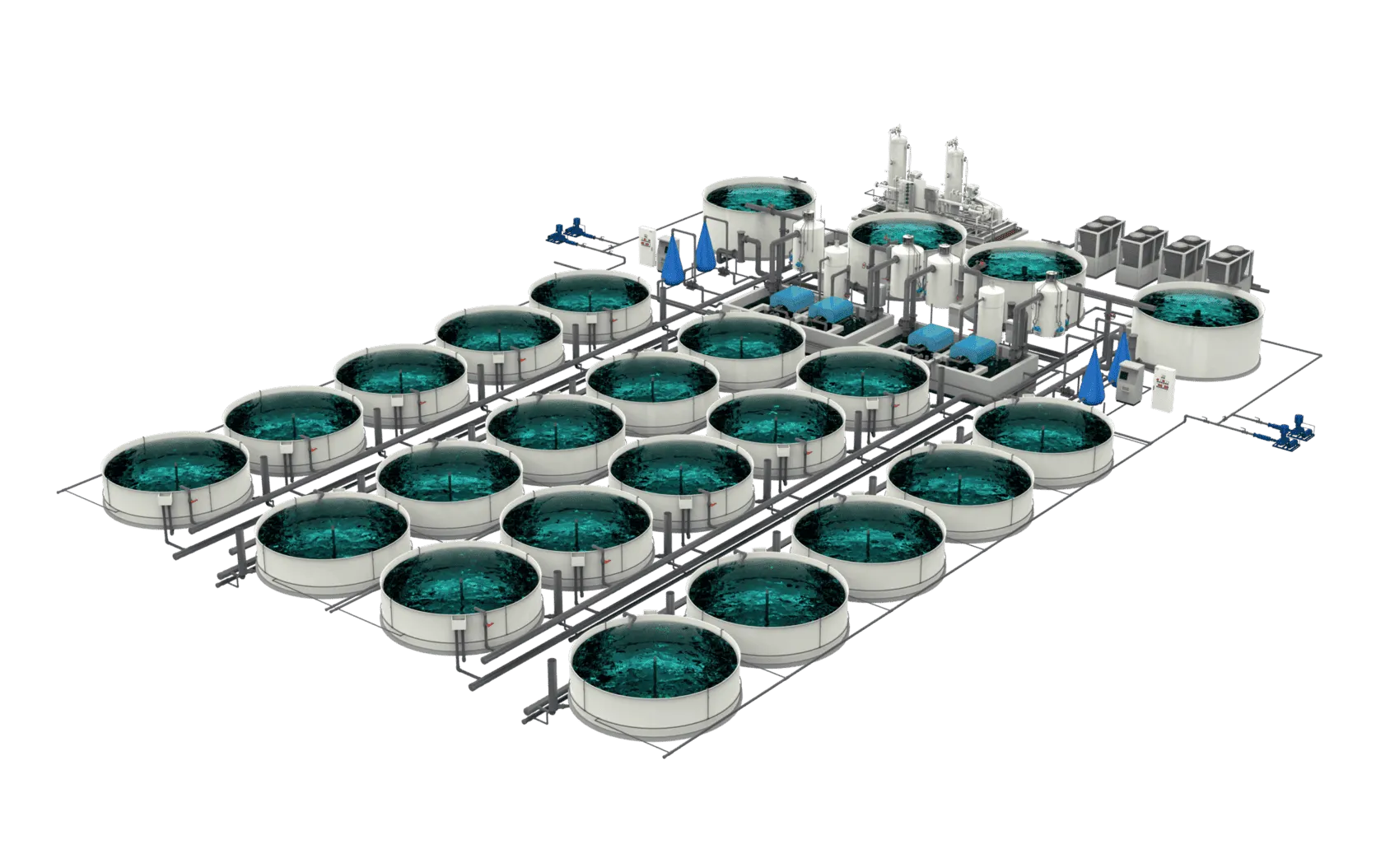
RAS Integration Essentials: Plumbing Connections and Footprint Requirements
- Proper plumbing connections ensure seamless integration of the drum filter into your recirculating aquaculture system (RAS).
- Consider the footprint requirements—adequate space is crucial for efficient pipework layout.
- Dimensions matter; measure carefully to avoid future headaches.
- Assess existing RAS setup.
- Determine required plumbing size and types.
- Plan out the layout before installation.
To integrate effectively, think about:
- Pipe diameter
- Connection types
- Accessibility for maintenance
When it comes to drum filters, a well-planned integration can save you time and money down the line.
Procurement Considerations: Warranty Terms and Delivery Lead Time
Choosing the right supplier is key. Look closely at:
- Warranty terms that cover parts and labor.
- Delivery lead time to avoid delays in installation.
- Compare multiple suppliers for the best contract terms.
- Ensure shipping options meet your timeline needs.
Remember, reliable post-purchase support is vital for peace of mind. A recent report highlighted that “the warranty period significantly influences buyer confidence.”
Installation Insights: Commissioning Services and Operator Training
A successful installation goes beyond just setting up the equipment. You’ll want:
- Professional commissioning services to verify everything is working as intended.
- Operator training so you know how to run your drum filter efficiently.
- Schedule an expert visit for setup.
- Attend training sessions to familiarize yourself with operations.
Effective guidance during this phase can make all the difference in maximizing your system’s efficiency.
Maintenance Best Practices: Spare Parts Inventory and Preventative Measures
Keeping your drum filter running smoothly requires regular upkeep:
- Maintain an inventory of spare parts like seals or motors.
- Follow a preventative cleaning schedule to avoid clogs.
- Create a service schedule based on usage patterns.
- Troubleshoot common issues promptly to minimize downtime.
By staying ahead with maintenance, you’ll extend the lifespan of your equipment significantly.
Future-Proofing with Corrosion Resistance and UV-Stabilized Plastics
Investing in quality materials is crucial when selecting a drum filter:
- Opt for corrosion-resistant components that withstand harsh environments.
- Choose UV-stabilized plastics that won’t degrade over time under sunlight exposure.
This proactive approach ensures durability and longevity in performance, making brands like Yutank stand out in offering reliable solutions tailored for koi pond owners looking to future-proof their setups against environmental challenges.
FAQs about Drum Filter
What core components define a reliable drum filter for koi pond or RAS use?
A true workhorse in water care blends precision engineering with practical durability:
- Rotating screen sifts out suspended solids at entry.
- Micro-mesh panels catch even fine particulate organic matter before it clouds the water.
- Self-cleaning mechanism, pulsing through its backwash pump and driven by a steady motor, keeps mesh unclogged under heavy loads.
- The solids collection trough escorts waste swiftly away from clean zones.
Every piece of filter media is tuned to raise filtration efficiency without strangling flow capacity—your fish feel the benefits in clearer, more breathable water.
Why does maximum flow rate shape performance expectations?
Think of system flow capacity as a rhythm—too slow, waste lingers; too fast, head loss creeps in and efficiency slips. A well-sized drum filter matches treatment volume per hour to influent piping design so effluent discharge stays smooth: no surges that stir debris and no bottlenecks that starve oxygen exchange.
How can mesh opening size alter your pond’s health?
Small openings behave like watchful guardians: they trap TSS early, strip turbidity before it blooms into murkiness, and lower nutrient loads along with biological oxygen demand (BOD). Larger openings invite higher throughput but let some fine particles drift by—sometimes trading pristine clarity for faster turnover when stocking density demands speed over polish.
What matters most when fitting a drum filter into an existing RAS footprint?
The heartbeat here lies in physical harmony: matching sump design dimensions with footprint requirements ensures plumbing connections nest neatly against bypass manifolds without choking effluent pathways. An awkward fit forces extra head loss; a perfect fit sings along with every cycle of the drive motor and backwash burst.